

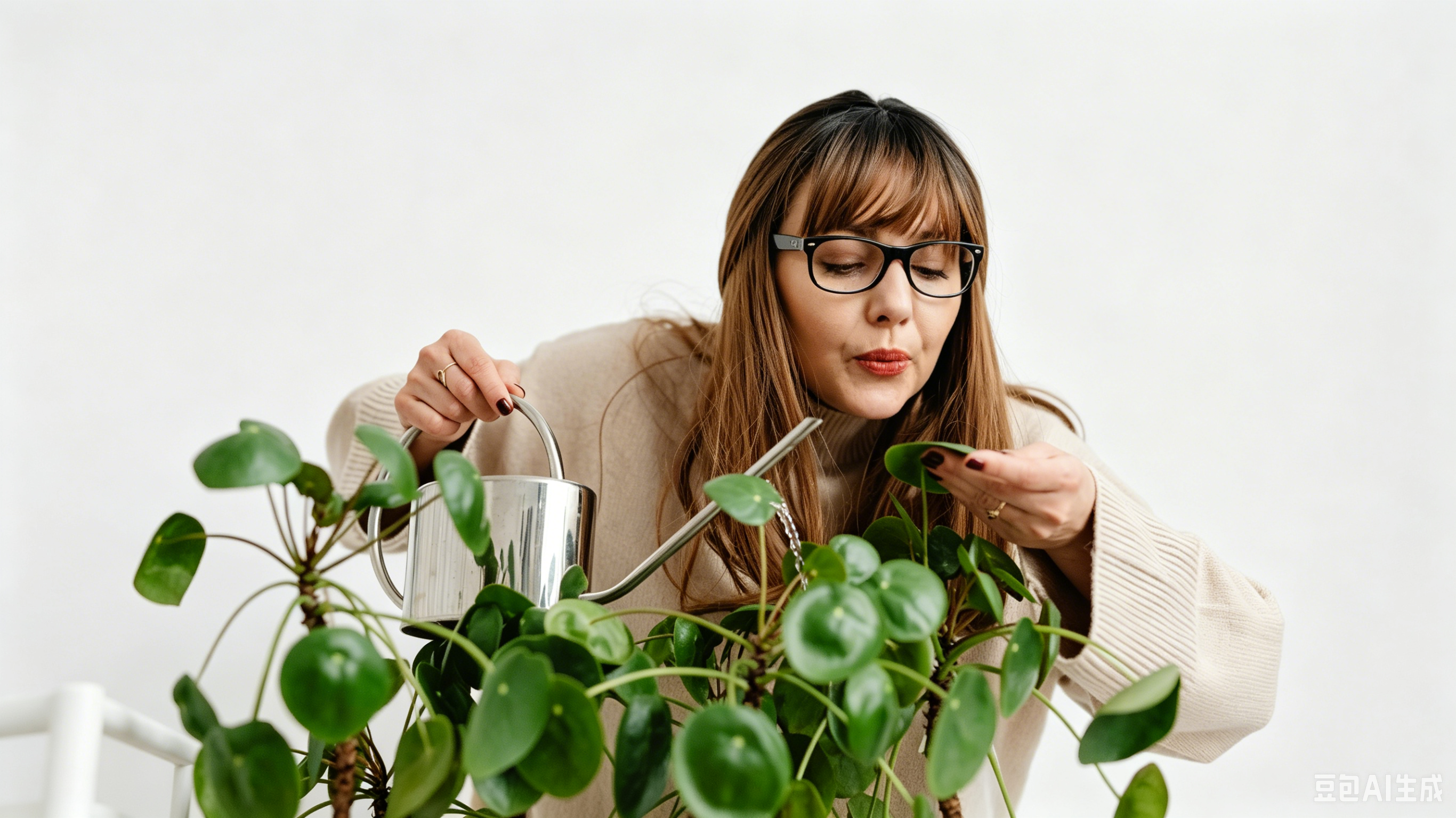
I have killed my plants in a hundred ways. It’s never fun, and it’s not even always preventable. But usually there is something to learn in mistakes, so here are some of mine.
The Things I’ve Done to Kill My Plants
Getting spider mites
Okay, this isn’t entirely my fault, but I do wish I had seen the signs before it got as bad as it did. It would have been easier to treat early and isolate the plants. I was not prepared for how small these things are. And even less prepared for how destructive they are. They took out all of my english ivy (which is prone to getting spider mites) and laid waste to my pothos.

Treating for spider mites
I had heard about how bad spider mites are, so when I realized I had them I sprayed them down with EVERYTHING. I’m talking all at once: alcohol, peroxide, insecticide, neem, castile soap…if someone recommended it, I did it. And it was a lot. The plants were stressed from the mites and now even more stressed from everything I did.
Putting plants in light as I continued to treat them for spider mites
Not only was it a lot, but I put those plants, wet and stressed, right back under the glow of their grow lights. I am all about light all the time–except when you’re spraying your plants with something. Putting them back immediately can scorch the leaves. This is why people often recommend doing treatments like this at night and letting them dry overnight.
Assuming they were still dying because of spider mites and continuing to treat them even more often and more aggressively
It sounds so stupid to say [type] that out loud, but I genuinely thought I was helping. In reality, I was stressing the plant over and over again without letting it recover. After all this my pothos went from beautiful and full to the saddest looking things you’ll ever see.

Underwatering
Some of the sadness and limpness of those pothos reversed when I submerged them in water. You’ve maybe heard that you should water a plant until the water comes out of the drainage holes. And that is great advice until a plant gets too dry. When it gets too dry it becomes hydrophobic and leaves a decent size gap between the soil and the pot. When this happens, the water pretty much bounces from the top of the plant to the gap and starts coming out the bottom before ever really watering the plant.
There are a few ways to address this. Personally, I’ve started just watering with the drip tray underneath and letting it soak back in a lot of the water. I’ll keep checking and re-watering every half hour or so until it seems to no longer be sponging it back up. At that point I either dump the water left in the tray and put it back under the plant, or if it is a heavier plant I use a turkey baster or small pipette to suck the water back up.

Usually at this point I’ll grab a rag to soak up the rest of the water in the tray
If you have a lot of plants that are extremely dry you can fill up the bathtub and completely submerge them all so the soil can fully rehydrate. I’m personally too lazy to clean out the tub after this, though, so I prefer the first method.
Overwatering
I’m using this as a sort of catchall term for anything that leaves the plant too wet for too long. This could mean watering too often, not having drainage holes, having soil that is too dense or compact, having soil that isn’t chunky or airy enough for that plant, or even just having a pot that is too big for the plant.
Using tap water
Certain plants, like calatheas or venus fly traps, are more sensitive to the minerals present in tap water. There is the option to buy distilled water but I opted to just buy a water distiller, which I now have running pretty much all the time. The only plants I consistently use distilled water for are my prayer plant and still-dying venus fly trap. But I also use it in all of my humidifiers so there isn’t a white film coating everything in the house. Plus cleaning the humidifier is easier with distilled water.

My sad little venus flytrap who got too much tap water and not enough light
Owning a dog
My dog loves eating my monstera leaves. She got the taste for them when I brought home my first thai monstera. She ate either all or part of 6 of the 9 leaves on the first day. She had never done this before so we thought it was a one-off, but we were mistaken. Over the next two weeks she ended up taking bites out of almost 30 large monstera leaves. Now she has her own plant-free room for when we leave the house. It is extremely important to be aware that many plants are toxic to pets. Monsteras are unlikely to cause anything fatal, but it won’t be a pleasant experience for anyone involved.

My Thai monstera before and after my dog got a hold of it
Owning a cat
Anything grasslike is permanently banned in our house. And if a plant is on any sort of ledge I try to use museum putty to keep it from being knocked over. If it can be pushed, it will be pushed.

Recently one of my cats has developed a taste for propagation water. He sticks his face as far down as necessary to get to it. And if he can’t get to it, he knocks it over. He has shattered glasses and left many a propagation to dry out on the floor. The same cat also has a love/hate relationship with the yellow stickies that catch fungus gnats.

Not enough light
I used to see my long leggy pothos and think I was doing something right because wow it was growing so long so quickly! Meanwhile, it was just desperately searching for more light. I’ve made the mistake of keeping them too far away from the grow lights or windows and assuming a “bright room” meant bright enough for a plant. It usually doesn’t.
Too much light
My robot vacuum has the tendency to push my standing grow lights into my plants. Leaves burned. Lessons learned (by me at least; my vacuum has learned nothing from its mistakes).

A scorch mark left by a lightbulb pushed too close to a leaf
Letting the house get too cold
A lot of houseplants are tropical, and even a short period of cold air or a drafty window can cause damage. I’ve had some plants up against a cold window every night and it slowly sucks the life out of them. I run hot so I’d prefer my house be no warmer than 67°F. In the winter I regularly let it get below 60°. My plants definitely let me know they don’t love it.
Changing the soil and blasting the roots in hydrogen peroxide
Honestly I stand by this one. I went into this with the understanding that the plant very well might not make it out alive, but I was having trouble with the soil being moldy. After a few less drastic attempts to fix it I thought it would be better to risk killing the entire plant than risk only changing out the soil and leaving mold growing on the roots. This was pretty recent, and the plant is currently both dropping leaves and putting out new ones.

Just bringing them home
Maybe not killing them, but sometimes leaf drop is just inevitable. New environment, new light, new humidity, new animals trying to taking bites out of you. It’s a lot of change all at once. Plants get stressed. Sometimes you need to be patient and give them time to bounce back.
Being too attached to plants that are too gone to save
This one is less about care and more about letting go. Sometimes the roots are shot, the plant is in a permanent decline, and no amount of effort is going to bring it back. I usually try anyway, though.
The Things I’ve Done to Save Them
Now that we know how I’ve killed my plants, let’s get into some of the ways I’ve saved them.
Grow lights
I’m not exaggerating when I say I don’t even use regular lights in my house anymore because my house is so filled with grow lights. The regular lamps I do use have grow lights for the bulbs. Living in Southern California, this might seem like overkill. But it’s necessary. Sometimes you’ll have enough natural light that a plant can survive. But rarely is there enough for it to thrive.

Usually when someone tells me they have plenty of natural light, it turns out the plant is getting very low light at best. I’ve been letting my friends who are new plant parents borrow my light meter (I imagine it’s like The Sisterhood of the Traveling Pants but for plants), and it always ends the same way: with them buying a grow light.
Speaking of my round-the-world light meter—that’s next on the list:
PAR meter
This specifically needs to have PPFD readings, not just foot candles. PPFD is the amount of actual usable light for plants. Something can seem bright to us but offer very little in terms of what plants actually need to grow.

Beneficial bugs
I got frustrated with the treatment of pests hurting my plants, so I decided to call in for backup. The first ones I got are lacewing larvae. We call them John Wicks because they kill a lot of bad bugs. They eat thrips, mealybugs, scale babies, aphids, and some spider mites. They are kind of terrifying but I must admit I’ve become quite fond of them. Sometimes when I see one I'll leave a tiny drop of water near it just in case it's thirsty.

Lacewing larva attempting to take out a scale insect
I've also released cucumeris mites (for thrips larvae) and stratiolaelaps soil mites (for anything in the soil). It's nice to not have to keep blasting my plants with harsh treatments over and over.
Keiki paste
When spider mites took half the leaves from most of my pothos I was heartbroken. There were these huge chunks of bare, sad-looking, nothingness. So I tried keiki paste to encourage new growth on nodes that might otherwise do nothing. And to my surprise, it worked! The nodes are growing new leaves and starting to fill in. I highly recommend not letting the paste touch your skin, though, because it leaves the weirdest waxy feeling that doesn't go away easily.

New pothos leaves growing from nodes (and some beneficial bug eggs on the stem)
Humidifiers
I’m not sure if humidifiers necessarily save my plants, but they definitely help with the look and health overall. They have less browning and are more lively looking. Plus my skin loves it.
A plant/watering app
Don’t get me wrong, I don’t blindly trust these to tell me when to water. I always use wooden skewers and a moisture meter to double check. I mostly use the app as a reminder of what plants need to be checked and when I last watered them. The app that I have (Planta) also has progress updates so you can keep track of pictures of how your plant first started and where it is now. It's pretty encouraging (when things are going well, at least).
So there you have it. The ways in which I have been the cause of many yellow leaves, and a helpless bystander for even more. But in discovering all the ways I can kill a plant I have simultaneously discovered all the ways I can help them thrive.
Condividere:
LED Plant Grow Lights: The “Artificial Sun” for Indoor Plant Growth
Say Goodbye to Stretchy Succulents: The Final Grow Light Guide Before Summer Dormancy