

Hey Freunde,
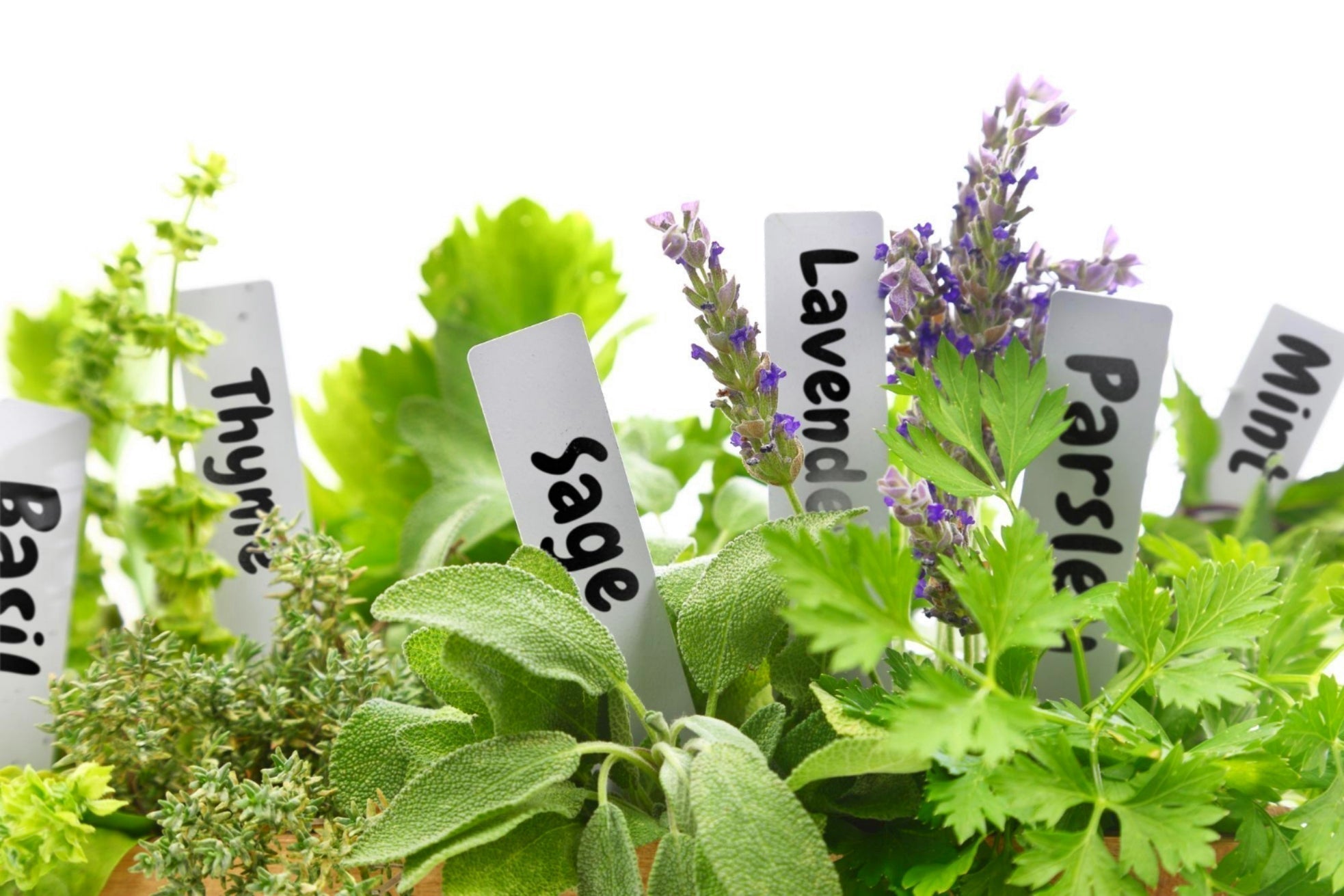
Riechen Sie es? Dieser frische, klare Duft von Rosmarin. Die spritzige, pfeffrige Note von frischem Basilikum. Stellen Sie sich vor, Sie hätten all das an einem grauen Novembernachmittag direkt zur Hand, ohne einkaufen gehen zu müssen. Für alle, die Freude an ihrem Zuhause und ihrer Küche haben, gibt es nichts Schöneres, als mit selbst angebauten Kräutern zu kochen.
Doch mit den kürzer werdenden Tagen reicht unser sonniges Fensterbrett oft nicht mehr aus. Unser Basilikum wird lang und dünn, die Minze sieht etwas traurig aus, und der Traum vom winterlichen Kräutergarten scheint zu verblassen. Ich kenne das nur zu gut. Jahrelang dachte ich, mein Hobby, das Gärtnern in der Wohnung, müsse mit dem Rasen in den Winterschlaf gehen.
Dann entdeckte ich das einfache, aber bahnbrechende Geheimnis: die richtige Zimmerbeleuchtung. Und nein, ich meine nicht diese komplizierten, lila leuchtenden Dinger. Ich spreche von einer stillen Revolution in der Beleuchtung für den Indoor-Anbau – schön, einfach und unglaublich effektiv. Holen wir uns den Garten ins Haus!
Was ist enthalten?
- Warum Ihre Kräuter im Winter mehr Licht benötigen
- Die besten (und einfachsten) Kräuter für den Anfang
- Licht-Grundlagen: Die perfekte LED-Pflanzenlampe auswählen
- Ihre einfache, schrittweise Einrichtung
- So bleiben sie glücklich: Wasser, Nahrung und Liebe
- Ihre Fragen zum Kräutergarten – Antworten
Der Winterblues (für Pflanzen)
Wir alle spüren die Umstellung auf Winterzeit. Unsere Wohnungen werden gemütlicher, doch für Pflanzen bedeutet das eine große Herausforderung. Selbst ein helles Südfenster erhält deutlich weniger Stunden des intensiven Lichts, das Kräuter zum Gedeihen – und nicht nur zum Überleben – benötigen. Die Photosynthese verlangsamt sich. Das Wachstum wird spärlich, da die Pflanzen verzweifelt nach Sonnenlicht streben. Laut der University of Minnesota Extension benötigen die meisten Blattkräuter mindestens sechs Stunden direktes Sonnenlicht täglich, um gut zu wachsen – eine große Herausforderung für die meisten Winter im Norden.
Hier kommt die Pflanzenlampe für Gemüse und Kräuter ins Spiel. Stellen Sie sie sich wie eine tragbare Sonne vor. Sie versorgt Ihre Pflanzen mit dem gleichmäßigen, vollen Lichtspektrum, das sie benötigen, um kompakt, buschig und voller aromatischer ätherischer Öle zu bleiben. Das macht den Unterschied zwischen einem traurigen, blassen Blatt und einem kräftigen, duftenden Blatt für Ihren Sonntagsbraten.
Fang einfach an: Deine ersten Kräuterauswahl
Der Schlüssel zum Erfolg liegt darin, mit unkomplizierten Sorten zu beginnen. Hier ist meine bewährte Auswahlliste für ein Gewächshaus mit Pflanzenlampe für die Küche:
|
Kraut |
Warum es großartig ist |
Geschmacksprofil |
Profi-Tipp |
|
Rosmarin |
Robust, trockenheitsverträglich und liebt helles Licht. Eine langlebige, verholzende Staude. |
Kiefernartig, erdig, kräftig. |
Ideal für Bratkartoffeln, Hähnchen und Brot. Bevorzugt es, zwischen den Wassergaben auszutrocknen. (USDA-Hausgartenratgeber) |
|
Thymian |
Eine weitere robuste und pflegeleichte Sorte. Kriechende Sorten sind wunderschön. |
Dezent, trocken, leicht zitronig. |
Eine unverzichtbare Zutat in Suppen, Eintöpfen und Marinaden. Bei Bedarf Zweige abschneiden. |
|
Minze |
Wächst üppig (fast schon zu üppig!). Sehr anspruchslos. |
Hell, kühl, erfrischend. |
Ideal für Tees, Cocktails und Desserts. Am besten im eigenen Topf aufbewahren, damit es sich nicht unkontrolliert ausbreitet. |
|
Oregano |
Eine sonnenliebende Mittelmeerpflanze, die unter Kunstlicht hervorragend gedeiht. |
Warm, balsamisch, leicht bitter. |
Die Seele von Pizza, Pastasaucen und griechischen Salaten. |
|
Basilikum |
Der Publikumsliebling. Benötigt gleichmäßigere Wasser- und Wärmezufuhr. |
Süß, pfeffrig, an Anis erinnernd. |
Der Star von Pesto und Caprese-Salat. Blütenknospen abknipsen, damit die Pflanze weiterhin Blätter produziert. |
Mein Tipp? Verzichten Sie beim ersten Versuch im Winter auf Samen. Besorgen Sie sich stattdessen kleine, bereits ausgewachsene Pflanzen aus der Gärtnerei. Das verschafft Ihnen einen enormen Vorsprung und sofortige Erfolgserlebnisse.
Die verschiedenen Optionen für Ihre Pflanzenbeleuchtung – einfach erklärt

Hier fühlen sich die meisten überfordert. Lasst uns das klären. Ihr braucht keine riesige Lichtanlage. Für einen Kräutergarten in der Küche braucht ihr eine Lampe, die effektiv, angenehm und sicher ist.
Ziel ist es, die Natur nachzuahmen. Pflanzen nutzen Licht im gesamten Spektrum, nicht nur Rot und Blau. Deshalb verschwinden die altmodischen violett-violetten Lampen allmählich vom Markt. Was Sie brauchen, ist eine Vollspektrum-LED-Lampe , die natürlichem Tageslicht ähnelt.
Warum Vollspektrumlicht? Es liefert alle Wellenlängen, die Pflanzen für ein gesundes Wachstum benötigen – für kräftige Wurzeln, stabile Stängel und üppige Blätter. Entscheidend ist auch der hohe Farbwiedergabeindex (CRI). Eine Lampe mit einem CRI nahe 100 zeigt die wahren, lebendigen Farben Ihrer Pflanzen (und Ihrer Lebensmittel!), was ein zuverlässiger Indikator dafür ist, dass sie die richtige Lichtqualität für optimales Wachstum abgibt.
Der Effizienzfaktor: Eine der häufigsten Fragen lautet: „Verbrauchen Pflanzenlampen viel Strom?“ Bei modernen LEDs ist die Antwort ein klares Nein. Sie sind unglaublich energieeffizient. Wie Experten der Utah State University Extension betonen, sind LED-Pflanzenlampen deutlich effizienter als ältere Technologien, da sie den Großteil ihrer Energie in Licht und nicht in Wärme umwandeln. Wir sprechen hier von den Betriebskosten einer herkömmlichen LED-Lampe. Wenn Sie bei der Auswahl auf wirklich energieeffiziente Pflanzenlampen achten, wird Ihr kleiner Indoor-Garten sowohl umweltfreundlich als auch kostengünstig.
Der Vorteil in Sachen Sicherheit und Langlebigkeit: Hitze ist der Feind von Elektronik. Lampen, die heiß laufen, brennen schneller durch. Hier kommt es auf die Verarbeitungsqualität an. Einige der besten professionellen Pflanzenlampen nutzen fortschrittliche Keramikkühlung. Keramik leitet Wärme deutlich effektiver ab als Kunststoff oder einfaches Aluminium und hält den LED-Chip kühler. Ein kühlerer Chip arbeitet effizienter und hat eine um ein Vielfaches längere Lebensdauer – 25.000 Stunden oder mehr. Außerdem ist die Oberfläche der Lampe dadurch sicherer zu berühren, ein echter Pluspunkt in der Küche. Und eine kühl laufende Lampe in der Nähe von Pflanzen, die Sie gießen, ist einfach die klügere und sicherere Wahl (eine gute Erinnerung an die Sicherheitshinweise der NFPA für elektrische Geräte).
Einrichtung: Einfacher als Sie denken
Hier ist die einfache 3-Schritte-Anleitung für Ihr Indoor-Anbauprojekt:
Suchen Sie sich einen geeigneten Platz aus: Ihre Fensterbank in der Küche ist ideal, falls genügend Platz vorhanden ist. Ansonsten eignet sich jede Arbeitsfläche, jedes Regal oder sogar die Oberseite Ihres Kühlschranks. So schaffen Sie sich eine eigene „Pflanzenzone“.
Wählen Sie Ihre Leuchte und Ihr Licht: Hier stimmen Sie die Leuchte auf Ihren Raum ab.
Für eine einzelne Lampe oder eine kleine Gruppe: Eine klassische Tisch- oder Klemmleuchte mit Schraubglühbirne wie die SANSI PAR20 10W ist der einfachste Einstieg. Sie verfügt über eine praktische Fernbedienung zur bequemen Bedienung und lässt sich einfach eindrehen.
Für ein langes Regal oder eine Fensterbank: Eine 90 cm lange LED-Pflanzenlampe sorgt für gleichmäßige Ausleuchtung. Die SANSI T8 25W LED-Pflanzenlampe ist hierfür ideal. Dank ihrer Länge von 90 cm und der praktischen Schnappbefestigung lässt sie sich einfach und sauber über einem länglichen Kräuterpflanzgefäß anbringen.
Aufhängen & Timer einstellen: Positionieren Sie die Lampe 15 bis 30 cm über den Pflanzen. Das Geheimrezept? Eine einfache Zeitschaltuhr. Noch besser ist es, wenn die Pflanzenlampe bereits über eine Timerfunktion verfügt. Stellen Sie sie so ein, dass sie tagsüber 12 bis 14 Stunden leuchtet. Regelmäßigkeit ist wichtig, und mit dieser Funktion wird der Vorgang komplett automatisiert.
Ein bisschen Sorgfalt bewirkt viel
Richtig gießen: Die häufigste Todesursache für Zimmerpflanzen ist Übergießen. Im Winter, unter Kunstlicht, wachsen sie zwar stetig, aber nicht explosionsartig. Stecken Sie Ihren Finger etwa 2,5 cm tief in die Erde. Ist sie trocken, gießen Sie gründlich, bis das Wasser unten herausläuft. Lassen Sie die Erde anschließend wieder antrocknen. Kräuter wie Rosmarin und Thymian bevorzugen eher trockene Bedingungen.
• Schlicht düngen: Eine halbe Dosis eines ausgewogenen, organischen Flüssigdüngers alle 4-6 Wochen während der Wachstumsperiode ist völlig ausreichend.
• Regelmäßig ernten: Das ist der spaßige Teil! Häufiges, schonendes Ernten – das Abschneiden knapp über einem Blattpaar – regt die Pflanze tatsächlich dazu an, buschiger zu wachsen und mehr Früchte zu tragen.
Zusammenfassung

Es ist ungemein befriedigend, Leben und Geschmack im eigenen Zuhause zu nähren. Mitten im Winter ist der kleine Topf mit dem Grünzeug auf der Küchentheke mehr als nur ein Kraut; er schenkt uns täglich Freude, verbindet uns mit dem Wachstum und ist die geheime Zutat, die selbst ein einfaches Essen zu etwas Besonderem macht.
Man braucht keinen grünen Daumen, nur die Bereitschaft, den Pflanzen das zu geben, was sie grundlegend brauchen: gutes Licht. Warum schenken Sie sich – oder einem lieben Menschen – diesen Winter nicht einen blühenden Zimmergarten?
Jetzt ist der perfekte Zeitpunkt, um damit anzufangen. In der Vorweihnachtszeit geht es nicht nur um festliche Dekoration, sondern auch darum, Wärme und Leben in unsere Häuser zu bringen. Wenn Sie Ihren Kräutern das Licht geben, das sie brauchen, erhalten Sie frische Aromen für Ihre Festtagsgerichte und haben ein prächtiges, wachsendes Projekt, an dem Sie sich die ganze Saison über erfreuen können. Viele Marken bieten zudem saisonale Aktionen an, sodass Sie vielleicht genau die richtige, energieeffiziente Pflanzenlampe für den Anfang zu einem attraktiven Preis finden.
Machen Sie es sich also in der festlichen Jahreszeit gemütlich und entdecken Sie die Möglichkeit, Ihr Zuhause um eine neue, bereichernde Facette zu bereichern. Wir freuen uns darauf, Ihre Fortschritte zu sehen! Teilen Sie Fotos oder Tipps aus Ihrem Kräutergarten in unserer exklusiven Community für Pflanzenliebhaber – lassen Sie uns gemeinsam wachsen. Und wenn Sie bereit sind, loszulegen, entdecken Sie doch die perfekte Beleuchtung für Ihren Raum und Ihren Stil!
Ihre Fragen zum Kräutergarten in Innenräumen – Antworten
F: Meine Küchenarbeitsfläche ist begrenzt. Gibt es platzsparende Möglichkeiten, meinen Kräutergarten anzulegen?
A. Absolut! Denken Sie vertikal. Eine vertikale Pflanzenlampe ist ideal. Eine elegante, wandmontierte LED-Pflanzenlampe (wie das SANSI 35W Wandmodell ) lässt sich unter einem Schrank oder an einer freien Wand anbringen und spart so jede freie Arbeitsfläche. Sie wirkt wie eingebaut und liefert kraftvolles, fokussiertes Licht genau dort, wo Sie es brauchen.
F: Kann ich Kräuter tatsächlich aus Stecklingen aus dem Supermarkt nachziehen?
A. Ja, das geht, und es ist ein lohnendes Experiment! Für empfindliche Kräuter wie Basilikum, Minze und Oregano eignet sich die Vermehrung in Wasser. Schneiden Sie einen 10–15 cm langen Steckling von einem frischen Stängel ab, entfernen Sie die unteren Blätter und stellen Sie ihn in ein Glas Wasser auf eine helle Fensterbank (oder unter Ihre Pflanzenlampe). Wechseln Sie das Wasser wöchentlich. Sobald sich nach einigen Wochen ein gesundes Wurzelsystem entwickelt hat, können Sie den Steckling in Erde umpflanzen. Das ist eine kostengünstige Methode, Ihren Garten zu erweitern, erfordert aber mehr Geduld als die Anzucht von Jungpflanzen aus der Gärtnerei.
F: Ich höre immer wieder von Hydrokultur für Kräuter. Kann ich das auch zu Hause mit einer Pflanzenlampe machen?
A. Absolut. Hydroponik ist eine saubere und effiziente Form des Indoor-Anbaus, die sich hervorragend für Kräuter eignet. Eine einfache Tiefwasserkultur oder ein Dochtsystem in Kombination mit einer geeigneten LED-Pflanzenlampe kann zu bemerkenswert schnellem Wachstum führen. Wie die Penn State Extension anmerkt, wachsen hydroponisch gezogene Pflanzen aufgrund des direkten Nährstoffzugangs manchmal sogar schneller als solche, die in Erde wachsen. Es ist ein fantastischer nächster Schritt für Hobbygärtner, die gerne experimentieren und dabei möglichst wenig Schmutz produzieren möchten.
F: Welches ist neben den Standardkräutern ein ungewöhnliches, aber lohnendes Kraut, das man drinnen unter Kunstlicht anbauen kann?
A. Wenn Sie eine neue Herausforderung suchen, versuchen Sie es doch einmal mit Zitronenmelisse. Sie ist mit der Minze verwandt, teilt deren unkomplizierte Art und verströmt einen herrlichen Zitrusduft, der sich perfekt für Tees, Desserts und Fischgerichte eignet. Sie gedeiht unter denselben Bedingungen: viel Licht von einer Vollspektrum-LED-Lampe und gleichmäßige Feuchtigkeit. Genau wie Minze kann sie recht wüchsig sein, daher zieht man sie am besten in einem eigenen Topf. Der erfolgreiche Anbau von Zitronenmelisse ist eine ganz besondere Bereicherung für Ihren Küchengarten.
F: Woran kann ich erkennen, ob meine Pflanzenlampe tatsächlich stark genug ist, außer daran, ob die Pflanzen „lebendig“ aussehen?
A. Das ist eine kluge Frage. Neben der Kontrolle auf langes, vergeiltes Wachstum sollten Sie besonders auf die Größe und Farbe der neuen Blätter achten. Bei ausreichend Licht sollten die neuen Blätter vergleichbar groß und gesund und dunkelgrün sein. Sind die neuen Blätter durchgehend kleiner, dünner oder blasser als die älteren, ist das ein klares Zeichen dafür, dass sie mehr Licht benötigen. Für eine genauere Messung können Sie eine einfache Lichtmess-App verwenden (die allerdings nicht so präzise ist wie ein PAR-Meter), um die Lichtintensität zu vergleichen. Eine hochwertige Pflanzenlampe gibt ihren PPFD-Wert (Photosynthetische Photonenflussdichte) an, der als Goldstandard für die Messung des für Pflanzen nutzbaren Lichts gilt.
Share:
LED-Pflanzenlampen: Die „künstliche Sonne“ für das Pflanzenwachstum in Innenräumen
Fakt oder Mythos? Fünf große Mythen über Pflanzenlampen für den Indoor-Garten entlarvt.
6 Kommentare
Practical tips for the winter season. I appreciate the clear instructions on balancing light and drainage, which are usually the main failure points in indoor kitchen gardens.
Ooh…This blog article gave me an herb garden idea! Fresh herbs in my cooking year-round would be amazing! 🤩
This is a great idea! I have over 100 houseplants, but I’ve never tried growing herbs indoors. I have lived in a condo for the past 6 years but am finally getting a house where I can have an outside garden as well. I like the idea of being able to grow herbs inside all year round. Having grow lights is so important especially in the winter time. You’re able to grow plants inside no matter the season/weather. I couldn’t imagine not being able to have something to look forward to in the winter.
The wall mounted light is definitely on my radar for the kitchen now 😍
Thank you for the helpful guidance!